Marcus Stone

Marcus Stone

The Coward’s Cloister

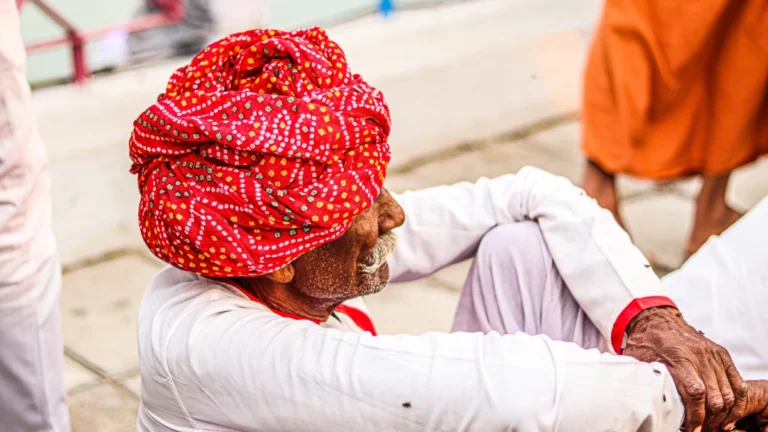
Elderly man sitting in meditation by a riverside shrine, draped in a vivid orange cloth amid a monochrome landscape — symbol of solitude and contemplation.

We tell ourselves we need peace and quiet — but the real noise is internal. You can retreat to a mountaintop or delete every app, and still hear the echo of your own unresolved idiocy. Solitude doesn’t save you from fools; it merely introduces you to the loudest one — yourself.

The Applause Is a Lie

Bronze statues of identical men in suits clapping, symbolizing conformity and empty applause.

Applause is sugar water for the soul — sweet, empty, and fattening. It feels like food but feeds nothing. The more you taste it, the more it owns you. Build for yourself, not for the crowd. Because when the theater goes dark and the cheering stops, you’ll face one audience only: the mirror.

The Cult of the Manager

Hyenas and vultures feeding on the carcass of a large animal, surrounded by dry, rocky terrain.

When Orwell warned us about totalitarian control, he imagined boots and banners. What he missed was the spreadsheet. The tyranny arrived in ergonomic chairs, bearing KPIs and ESG reports. Our new Inner Party doesn’t torture dissidents; it audits them. The manager has replaced the priest, the king, and the tyrant—and we call it professionalism.

The Gospel of Fear

Dark, fog-covered forest at night, illuminated by faint blue light, evoking fear and isolation.

We haven’t outgrown witch hunts—we’ve digitized them. The bonfires are online, the sermons televised, the priests replaced by experts clutching data instead of crosses. The liturgy is unchanged: fear the unseen, obey the herd, trust the medicine. And in that obedience, we trade our last wild freedom for the comfort of calm.

The Lost Art of Doing Nothing

A wooden seesaw with red handles stands motionless in a forest clearing, surrounded by tall trees and filtered sunlight.

We’ve mistaken movement for meaning. The world twitches, scrolls, reacts—convinced that perpetual motion equals life. But the quiet, the pause, the refusal to dance to the algorithm’s drum—these are now acts of rebellion. To stop moving is to start seeing, and nothing terrifies the modern mind more than the possibility of stillness.

The Long Reckoning

A crocodile lurking just below the water’s surface, eyes fixed and waiting, blending into its surroundings.

For twenty-five years the world dodged every reckoning, each crisis smothered in money-printing and wishful thinking. But debts do not vanish; they metastasize. Now the bill has arrived, and it will be collected not in dollars but in lives, futures, and illusions. The only question worth asking is: who among us pays first?