Markus Stone

Markus Stone

Beauty in the Ashes

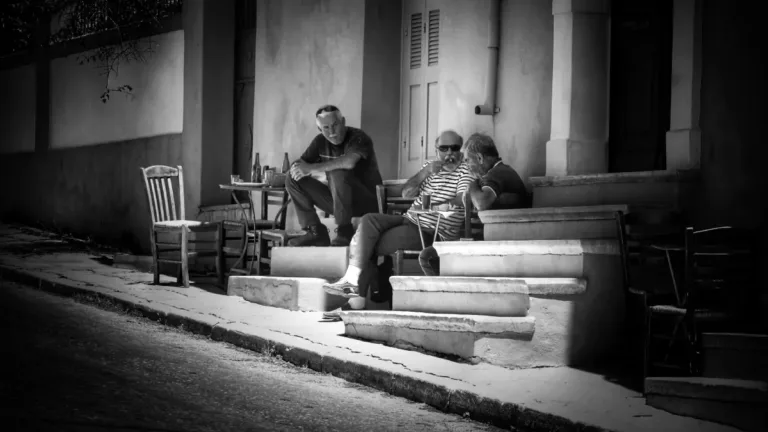
Three elderly men sit on worn steps outside a modest building, talking in the sunlit shade; a few empty chairs and a small table with bottles suggest long, slow conversation.

When the world burns, we’re told to rebuild. But sometimes, the ashes are the lesson. There’s a strange beauty in collapse - in the clarity that ruin brings. What falls away reveals what matters. This isn’t despair - it’s revelation. In the embers of failure, something truer flickers. Not hope. Not healing. Just the unvarnished shape of reality.


Florence from Memory

Close-up of a craftsman’s hands shaping wood with a drawknife, surrounded by fresh shavings.

Florence lingers like a half-remembered dream - stone and shadow, beauty and burden. It’s not the city that changed, but the eyes that see it. Memory edits, distills, betrays. What was once sacred becomes spectral. In tracing old steps, we find not the past, but the echo of who we were when we first arrived.

The Politics of the Statistically Extinct

An elderly man walks alone on a foggy path surrounded by bare trees and distant mountains at sunrise.

Democratic collapse doesn’t take dramatic collapse—it dies in the margins. Parties pretend to represent us, while voters shrug through apathy. Activists pound keyboards. Pollsters pad turnout. But in reality, entire demographics have slipped into statistical oblivion. No protests. No headlines. The real crisis isn’t public collapse—it’s silent erasure.

Globalism’s War on Builders

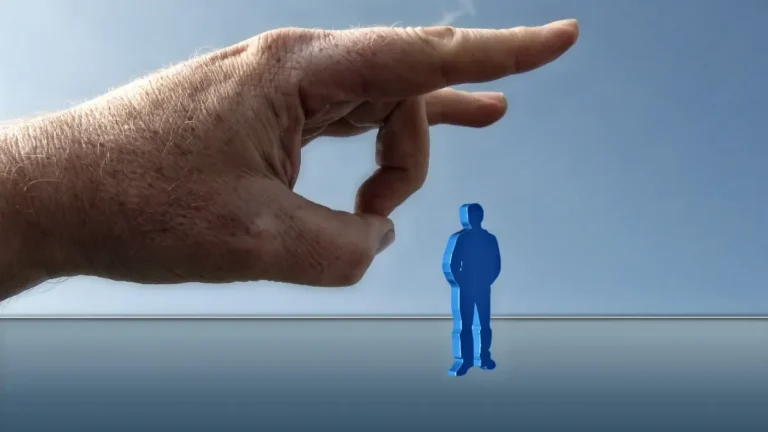
A large human hand flicks away a small blue figure of a person under a clear sky.

Capitalism no longer builds—it bureaucratizes. The global corporation is a Gothic cathedral of forms, run by PowerPoint sorcerers and KPI necromancers. Innovative entrepreneurs have been replaced by checkbox bureaucrats who conjure compliance, not creation. Real building is a relic. Today’s performance art keeps the system alive while erasing true makers’ agency.

Point of No Return

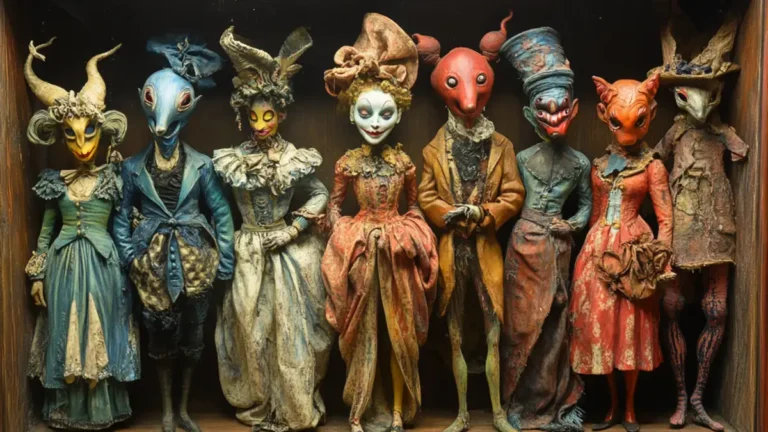
A row of eerie, anthropomorphic puppets with animal and insect faces dressed in decaying vintage costumes.

We ignored the warning signs. Collapse isn’t a spectacle—it’s slow rot, disguised as everyday routine. We’ve turned denial into a national pastime while society ossifies into performance art. Mercy isn’t saving what’s dead—it’s pulling the plug. And when the lights fade, we realize we were the ones inflating the exit signs.

Did I Miss the End of the World?

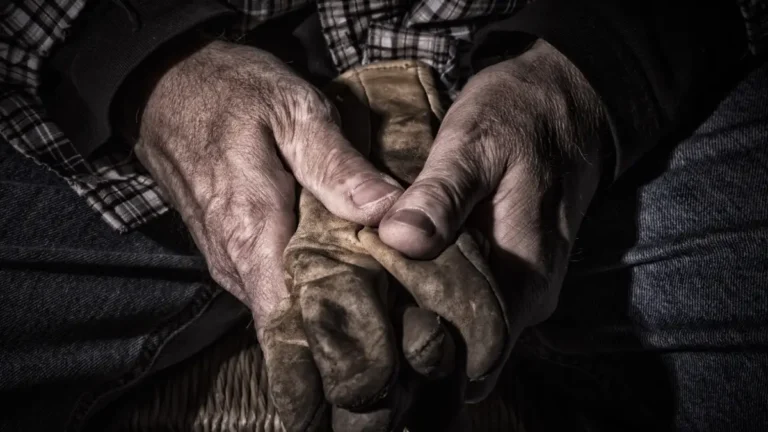
Weathered hands gripping old work gloves, resting in quiet tension.

A darkly amused chronicle of collapse in slow motion. While the world obsessed over clickbait and dopamine hits, the scaffolding of normalcy quietly gave way. This is a dispatch for the aware, the exiled, and the half-mad—those still wondering if they’re the crazy ones for noticing that it all seems... over.