Markus Stone

Markus Stone

Life after Reliable Energy

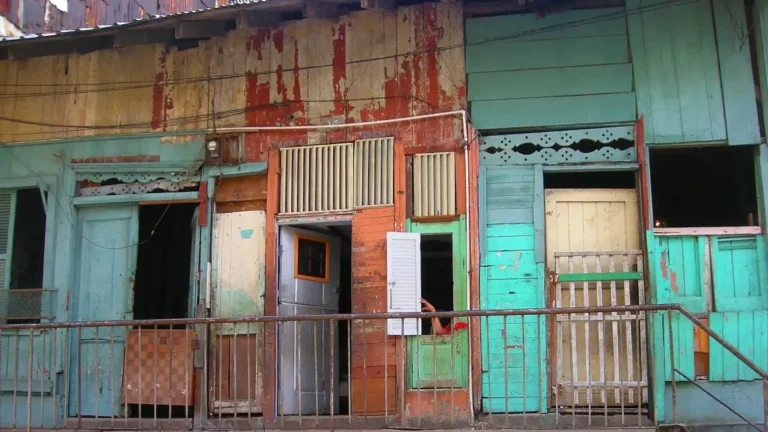
Row of weathered wooden houses with peeling paint in faded turquoise, red, and cream tones.

When electricity fails, civilization doesn’t vanish in an explosion—it rots in silence. Refrigerators warm, tempers fray, and the glowing idols of our age flicker out. What follows isn’t drama, but decay: food spoils, order falters, and trust collapses. Life after reliable energy is less apocalypse, more suffocation. And it’s already begun.

Around the World in 80 Kilometers

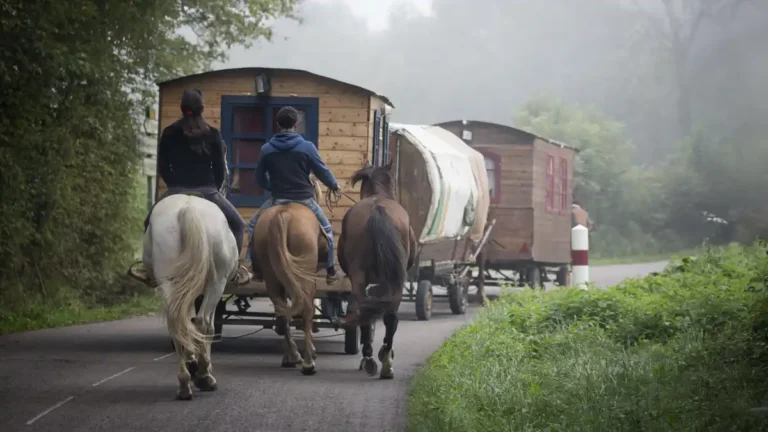
Two riders on horseback travel alongside horse-drawn wagons on a misty rural road.

Once, the world shrank—compressed by coal, oil, and jet fuel into something you could circumnavigate between Friday lunch and Sunday dinner. Today’s prophets of progress promise a “green future,” but without hydrocarbons, the globe will swell monstrous again. Air travel dies, cities starve, and eighty kilometers will feel as impossible as Jules Verne’s eighty days.

The Flickering Future

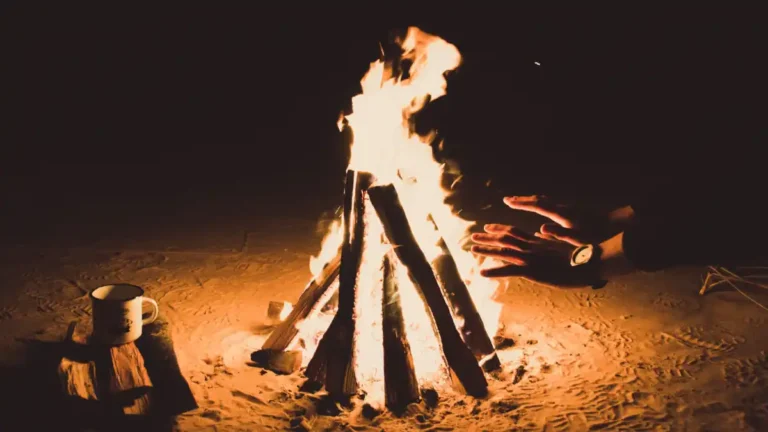
A campfire burning in the dark, with a person’s hands reaching out for warmth and a mug resting on the ground beside the fire.

Imagine civilization run on applause instead of physics. We traded coal for candles, stability for sentiment, grids for flicker power. The activists cheered, the elites clapped, and the engineers warned in vain. What follows is not utopia but feudalism, not freedom but rationing. And when the lights finally go out, you’ll know why.

Oil Farming and the Gospel of Grit

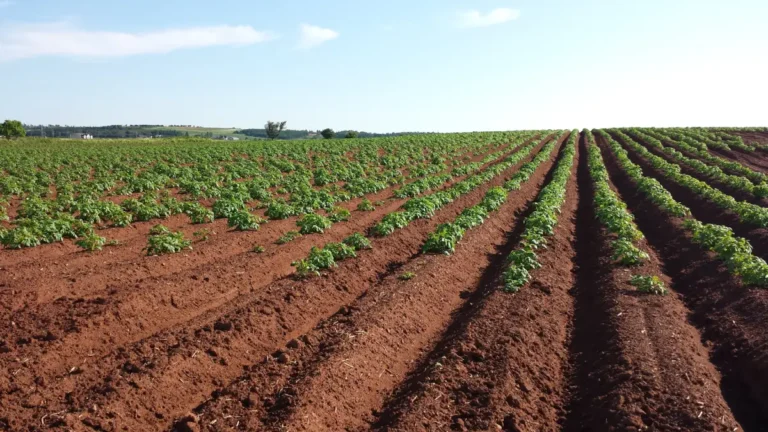
Neatly plowed rows of young crops growing in red soil under a clear sky, illustrating industrial-scale agriculture.

Shale is not a miracle—it’s a mindset. While rentier states gorge on legacy wealth, a new generation of oil farmers is emerging: dirty boots, data dashboards, and no patience for grand illusions. They don’t pray for oil—they milk it, year after year. This is the gospel of grit. The future bleeds, sweats, and iterates.

NOPEC’s last battle

Two brown goats locking horns in a tense head-to-head clash, symbolising a stubborn, evenly matched struggle.

In 1973, OPEC discovered the oil lever — a weapon that could make the world tremble without firing a shot. For decades, it worked. But every empire rots from within. Addiction to easy money, the rise of shale, and the limits of fear have left the cartel fighting a final, unwinnable war.

The Holy Church of Climatology

Weathered wooden stocks used for public punishment, symbolizing social shaming and intolerance of dissent.

Out of that revelation grew today’s climate gospel: a cult that forbids doubt, sells fear, and feeds empires. The Holy Church of Climatology thrives not on science, but on obedience—and its altar burns hotter than Venus itself.