Marcus Stone

Marcus Stone

The Yeti of Modern Science
A silhouetted unicorn rearing in front of a full moon against a cloudy night sky.

Reinhold Messner saw a creature in the Himalayan dusk and paid for it with decades of ridicule. Today, whole institutions are selling Yetis of their own—models they won’t open, predictions they won’t defend, and fears they won’t verify. The difference? Messner harmed only his reputation. Our modern oracles threaten the foundations we live on.
Helios – The weather machine

Golden-orange sunset with dark clouds partially obscuring the sun.

Vienna swings from bone-gnawing winter to cobblestone-melting summer in a 56°C operatic range. The sun is the real conductor—tilts, wobbles, and tantrums setting the score. Yet some insist CO₂ writes the symphony. Ask them how well they understand the furnace 150 million kilometers away before they sell you salvation in parts per million.

The Methane That Made Us

Sunrise over a misty field with silhouetted trees under a glowing orange sky

Methane didn’t just light our stoves—it lit the fuse of life itself. Before plants, before sunlight, before cells, Earth burped out the chemistry that made us. And it still does. Demonized today, methane is in fact the most fundamental, renewable force on this planet. This is the molecule that farts existence into motion.

Wine, Weather, and Climate Dogma

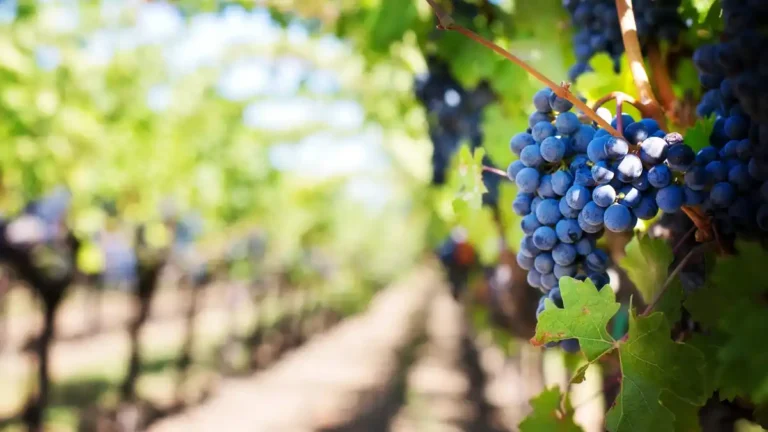
Ripe dark grapes hanging on vines in a sunny vineyard

Climate change is not a modern invention. Rome’s vineyards, medieval abundance, and the frozen misery of the Little Ice Age all testify to natural cycles far grander than human industry. Warmth has always been the ally of civilization; cold its executioner. Yet we kneel before a narrative that mistakes carbon for original sin.

Life after Reliable Energy

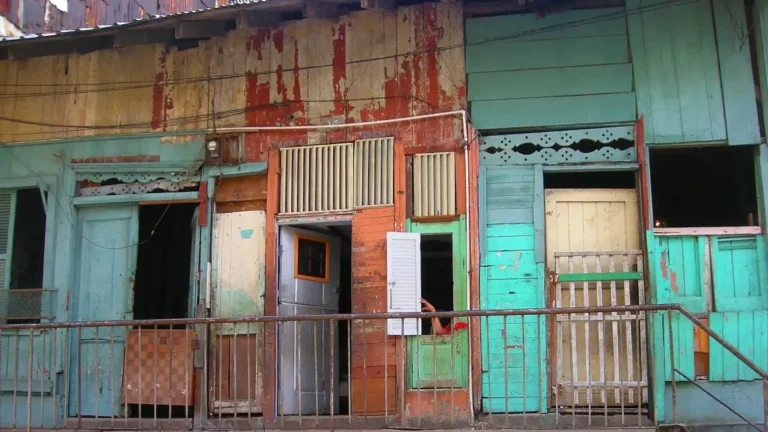
Row of weathered wooden houses with peeling paint in faded turquoise, red, and cream tones.

When electricity fails, civilization doesn’t vanish in an explosion—it rots in silence. Refrigerators warm, tempers fray, and the glowing idols of our age flicker out. What follows isn’t drama, but decay: food spoils, order falters, and trust collapses. Life after reliable energy is less apocalypse, more suffocation. And it’s already begun.

Around the World in 80 Kilometers

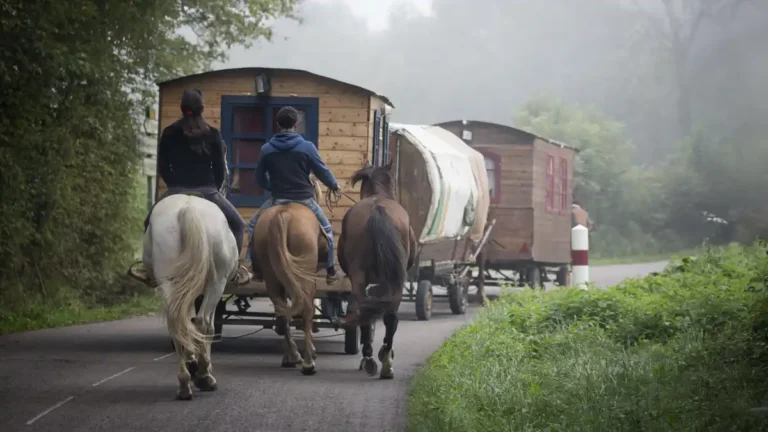
Two riders on horseback travel alongside horse-drawn wagons on a misty rural road.

Once, the world shrank—compressed by coal, oil, and jet fuel into something you could circumnavigate between Friday lunch and Sunday dinner. Today’s prophets of progress promise a “green future,” but without hydrocarbons, the globe will swell monstrous again. Air travel dies, cities starve, and eighty kilometers will feel as impossible as Jules Verne’s eighty days.