Earth Is Not Optional

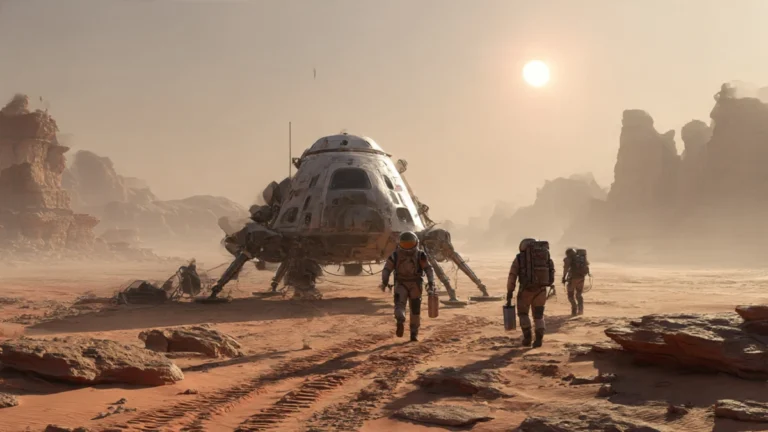
Three astronauts in pressurized suits walk away from a landed spacecraft on a barren, Mars-like landscape under a pale sun, emphasizing human fragility in a hostile environment.

We like to imagine ourselves as a spacefaring species, destined to scatter across the stars. In reality, we are fragile Earth-creatures clinging to a narrow biological niche. Mars is not a frontier; it is an exquisitely hostile corpse. The dream of planetary settlement is not bold—it is naïve.

Reality Is a User Interface

Blue butterflies hovering above a dark forest floor with small glowing mushrooms, illuminated against a blurred woodland background.

Reality no longer arrives through experience but through mediation. We inherit truths we cannot verify, trust fragments we barely understand, and call interpretation knowledge. From climate graphs to medical dogma, we mistake confidence for accuracy. The world feels real not because it is, but because our minds insist it must be.

Venus Isn’t Hell – It’s a Fuel Pump

Rocket ascending through thick Venusian-style atmosphere, trailing fire and vapor.

Venus gets a bad rap—but what if the planet’s dense, volatile atmosphere made it perfect for fueling space travel? In this remastered analysis, we explore why Venus might be the inner solar system’s most overlooked resource base. Methane, thermal gradients, and in-situ production all say one thing: Venus isn’t hell. It’s infrastructure.

Methane Dreams and Venusian Nightmares

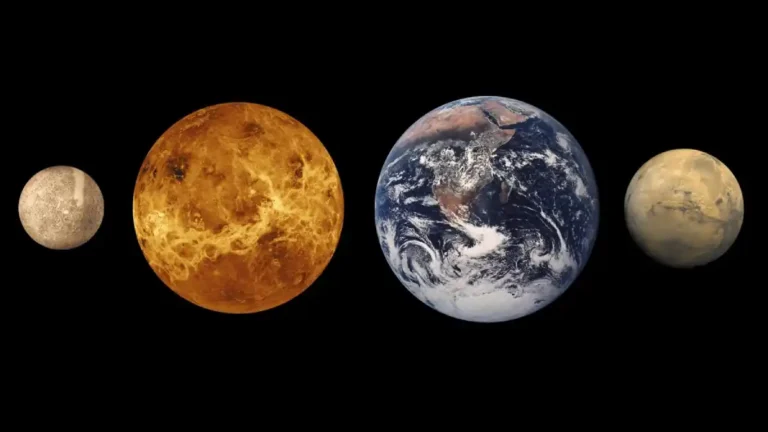
Side-by-side comparison of Mercury, Venus, Earth, and Mars against a black background.

Space colonization won’t look like Star Trek’s romantic planets or Bezos’s orbital luxury condos. It will be industrial blimps floating in Venus’s toxic skies, factories churning methane from hellish air, and humanity stubbornly clinging to survival with chemistry and logistics. Our future in the stars will be less heroic saga, more bureaucratic refinery.

Inventing Methane

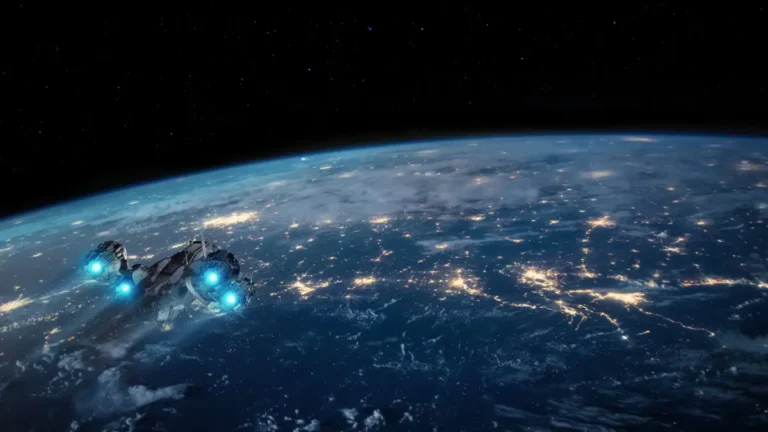
Futuristic spacecraft with blue thrusters orbiting Earth at night

Voltaire said if God didn’t exist, we’d have to invent him. The same goes for methane in spaceflight. Kerosene clogs, hydrogen cracks, and methane just works. It burns clean, stores easy, and lets rockets return like airplanes. If space is the next frontier, then LNG is the quiet workhorse that’ll get us there—on repeat.

Cathedrals of Fire

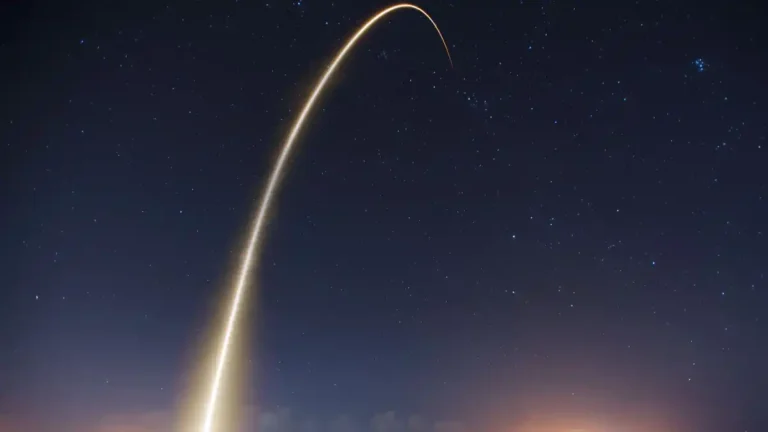
A rocket launch captured at night, leaving a bright curved trail of light across a star-filled sky.

Radical greens whisper that Earth would heal if humanity simply vanished. But nature has never been a gentle mother—it’s a lunatic pyromaniac smashing species off the stage. Our only answer isn’t retreat but escape: rockets black with soot, engines shrieking, and the eternal gamble of hurling ourselves beyond the planet that never loved us.

The Glacier Remembers

A scattered pile of colorful wooden blocks and cubes on a weathered wooden surface, evoking disarray and selective assembly.

In Norway’s highlands, ancient mountain paths re-emerge from retreating ice—evidence of natural warm periods long before factories or fossil fuels. From Viking artifacts to Greenland’s lost forests, the past whispers inconvenient truths. Climate was never static, and warmth is no modern anomaly. This is not denial. This is memory, thawing slowly into the light.

Affirmative Extraction and the Compliance Dragon

Close-up of writhing brown slugs crowded together in a damp, oppressive mass.

Behind every failed project lies a horde of consultants, regulators, and professional victims, fattening themselves on paperwork and moral grandstanding. From South African LNG to Western ESG madness, the Compliance Industrial Complex is a global beast. It doesn’t solve problems—it feeds on them. And the bill? It lands on your desk, every single time.

Warming waters …

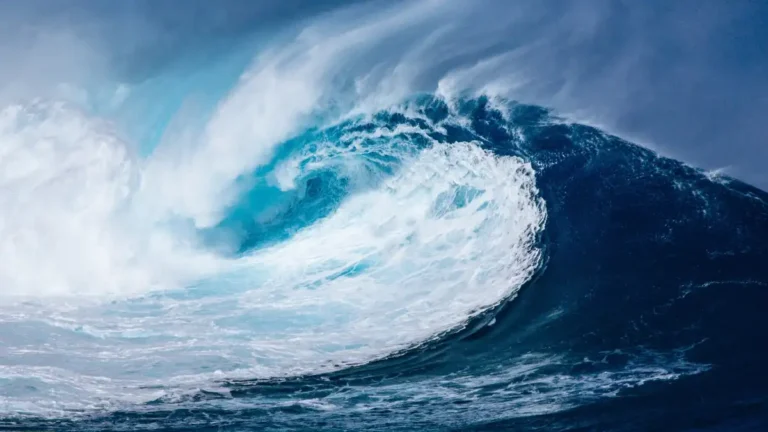
A towering ocean wave curling over itself under a dark sky, with churning white foam and deep blue water.

We’re told rising seas and acidic oceans spell doom, but ancient cities like Dwarka sank long before fossil fuels. Corals outlived dinosaurs and the Cambrian heatwave. So why the sudden hysteria? A skeptical dive into climate dogma, scientific hubris, and the forgotten history buried beneath the waves. Bring your flippers—and your doubt.

The Yeti of Modern Science

A silhouetted unicorn rearing in front of a full moon against a cloudy night sky.

Reinhold Messner saw a creature in the Himalayan dusk and paid for it with decades of ridicule. Today, whole institutions are selling Yetis of their own—models they won’t open, predictions they won’t defend, and fears they won’t verify. The difference? Messner harmed only his reputation. Our modern oracles threaten the foundations we live on.

Helios – The weather machine

Golden-orange sunset with dark clouds partially obscuring the sun.

Vienna swings from bone-gnawing winter to cobblestone-melting summer in a 56°C operatic range. The sun is the real conductor—tilts, wobbles, and tantrums setting the score. Yet some insist CO₂ writes the symphony. Ask them how well they understand the furnace 150 million kilometers away before they sell you salvation in parts per million.

The Methane That Made Us

Sunrise over a misty field with silhouetted trees under a glowing orange sky

Methane didn’t just light our stoves—it lit the fuse of life itself. Before plants, before sunlight, before cells, Earth burped out the chemistry that made us. And it still does. Demonized today, methane is in fact the most fundamental, renewable force on this planet. This is the molecule that farts existence into motion.