Marcus Stone

Marcus Stone

Wine, Weather, and Climate Dogma
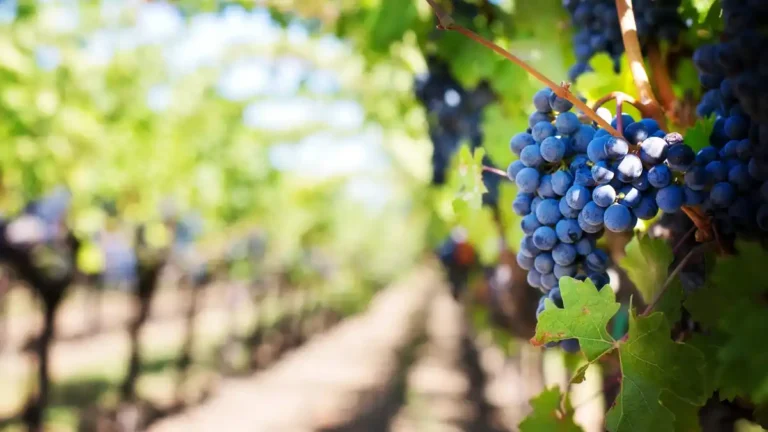
Ripe dark grapes hanging on vines in a sunny vineyard

Climate change is not a modern invention. Rome’s vineyards, medieval abundance, and the frozen misery of the Little Ice Age all testify to natural cycles far grander than human industry. Warmth has always been the ally of civilization; cold its executioner. Yet we kneel before a narrative that mistakes carbon for original sin.
Methane Rising: The Fuel Nobody Saw Coming

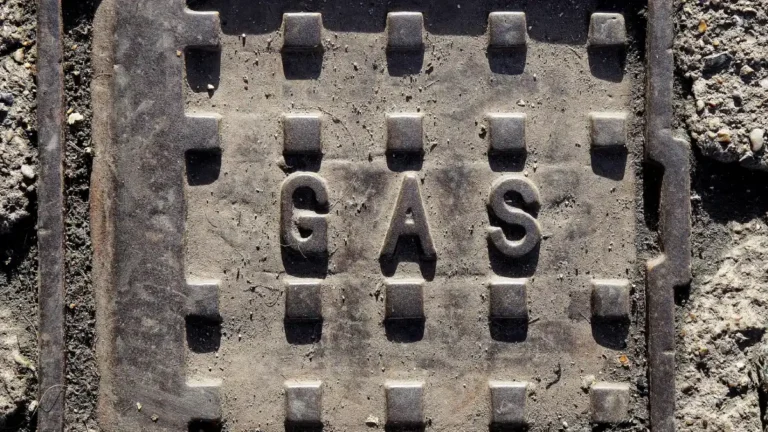
Close-up of a weathered cast-iron gas utility cover embedded in rough concrete, marked “GAS”

Apparently, the future was supposed to run on hydrogen, batteries and a generous supply of technological miracles. Reality, having declined the invitation, has instead handed us methane. It powers ships, trucks, grids and rockets while the wonder drugs remain busy explaining why they will work eventually.

Methane and the End of the Green Dream

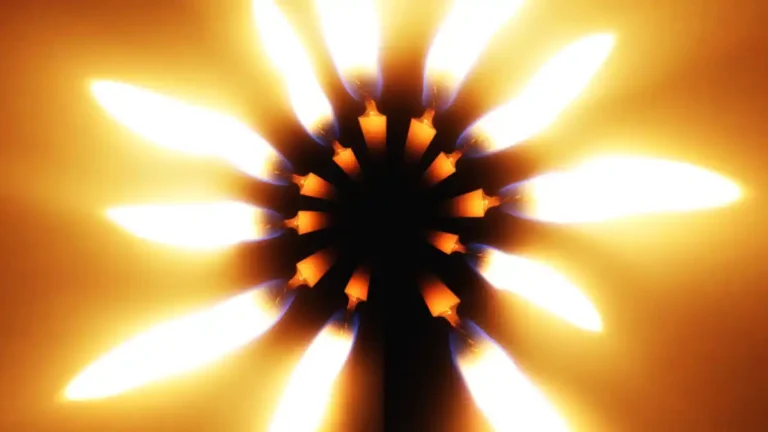
Close-up of a glowing gas burner with bright flames radiating outward against a warm orange background.

The renewable future is proceeding beautifully, provided nobody asks whether the lights stay on, the subsidies remain affordable or people actually want giant wind turbines outside their windows. Fortunately, civilisation has a backup plan. It is called methane. It has been sitting underground for millions of years, patiently waiting for politics to finish rediscovering economics.

LNG on Rails: The Gas Grid’s Missing Link

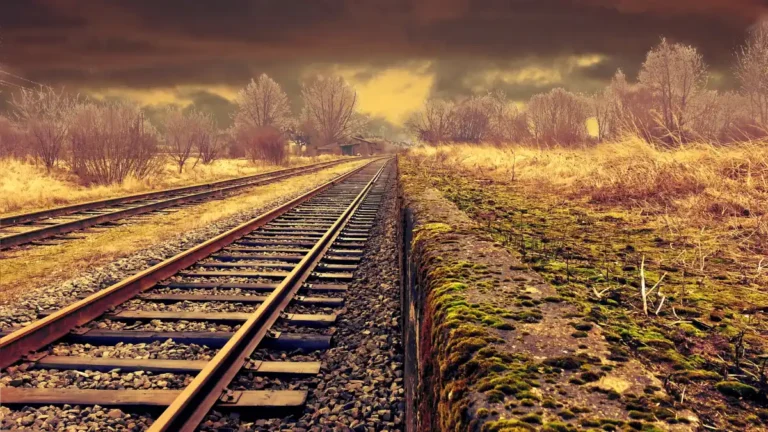
Railway tracks stretching through a winter landscape toward the horizon, illustrating the potential of rail infrastructure for LNG and gas distribution.

Europe has spent years making pipelines slower, harder and more expensive to build, so naturally there must be a solution. Fortunately, we already have thousands of kilometres of railway tracks lying around. Put LNG on trains, call it innovation, and suddenly the infrastructure Europe forgot it owned becomes useful again.

Life after Reliable Energy

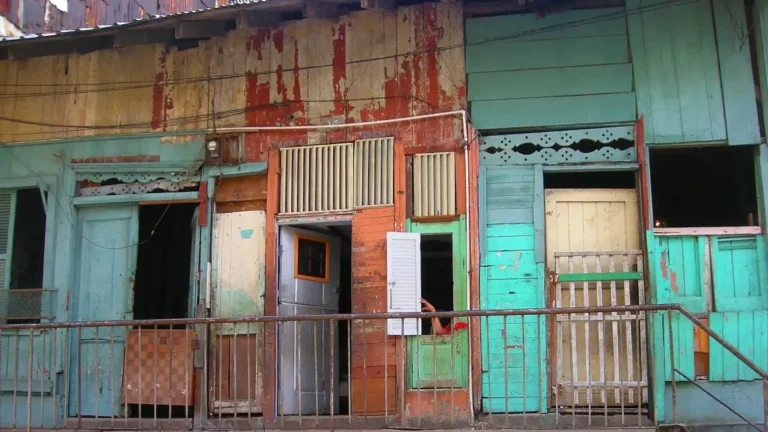
Row of weathered wooden houses with peeling paint in faded turquoise, red, and cream tones.

When electricity fails, civilization doesn’t vanish in an explosion—it rots in silence. Refrigerators warm, tempers fray, and the glowing idols of our age flicker out. What follows isn’t drama, but decay: food spoils, order falters, and trust collapses. Life after reliable energy is less apocalypse, more suffocation. And it’s already begun.

Around the World in 80 Kilometers

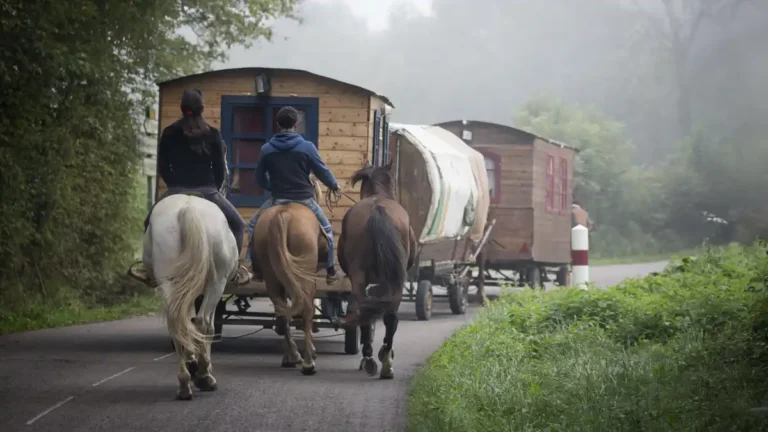
Two riders on horseback travel alongside horse-drawn wagons on a misty rural road.

Once, the world shrank—compressed by coal, oil, and jet fuel into something you could circumnavigate between Friday lunch and Sunday dinner. Today’s prophets of progress promise a “green future,” but without hydrocarbons, the globe will swell monstrous again. Air travel dies, cities starve, and eighty kilometers will feel as impossible as Jules Verne’s eighty days.