Strength Without Metabolism

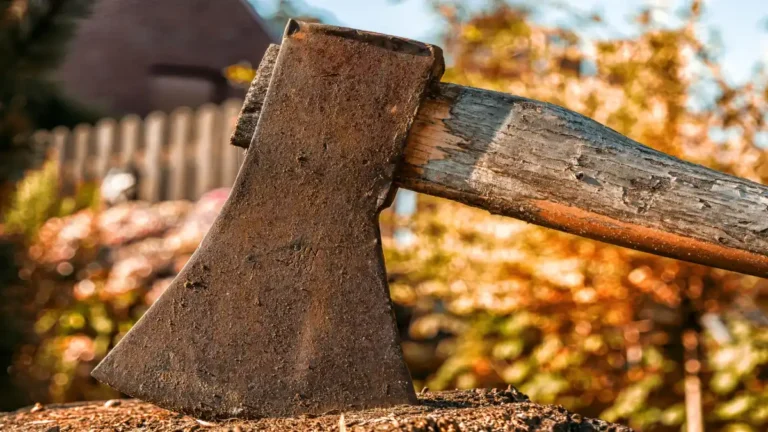
Rusty axe embedded in a cut tree stump with a weathered wooden handle, autumn foliage and a blurred rural background.

Russia did not collapse in 1991. It inherited. It inherited missile silos, submarines, and a nuclear triad built for ideological rivalry — but not the economic metabolism that sustained them. The war in Ukraine did not create this imbalance. It exposed it. And exposure, under strain, accelerates decay.
The Brightest Bulb in a Dim Chandelier

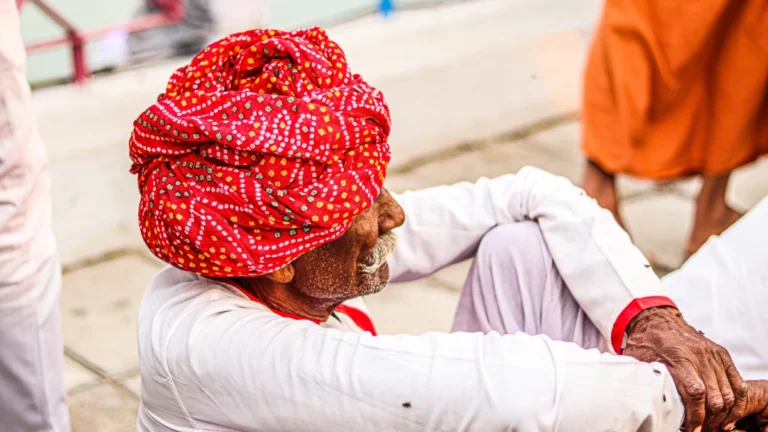
Elderly Indian man wearing a red turban and white clothing, seated outdoors with arms resting on his knees

India remains the only BRICS nation still worth watching—but survival is not ascent. Demographics and geography offer inputs, not guarantees, and history is crowded with almost-powers that stalled below the summit. India’s promise is real, but so are its constraints. The question is not whether it can rise, but whether it can change fast enough to matter.

Steel Without Flesh

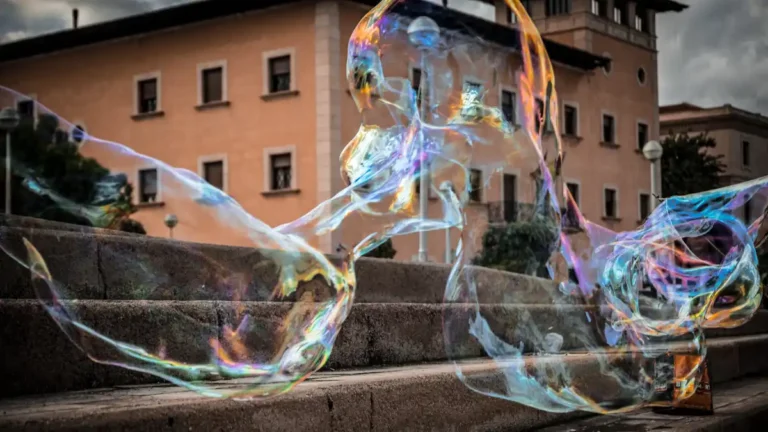
Giant iridescent soap bubbles drifting across weathered stone steps in front of a faded building.

Quantity dazzles at parades, but wars are not won by hulls and hardware. They are won by scar tissue, trust, and the muscle memory of failure. From Stalin’s tank waves to China’s carriers and Russia’s humiliation in Ukraine, the real test is not how much metal you can build, but how much flesh you can trust.

The Dragon Bubble

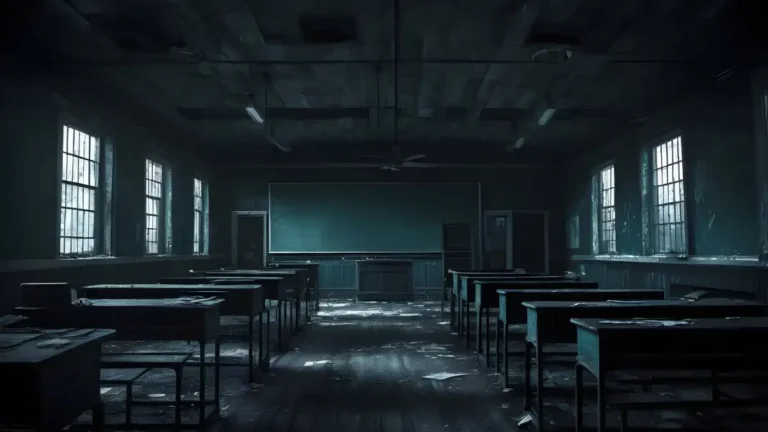
Abandoned classroom with broken desks, peeling paint, and debris scattered across the floor in dim, cold light from barred windows.

In 2000, the West rolled out a velvet carpet for China’s entry into the WTO, convinced trade would tame the dragon. Instead, it fattened it. Today, the Red Ponzi wheezes, nationalism soars, and the balloon stretches toward its limit. When it bursts, the blast won’t be local—it’ll shake the world.

Globalism’s War on Builders

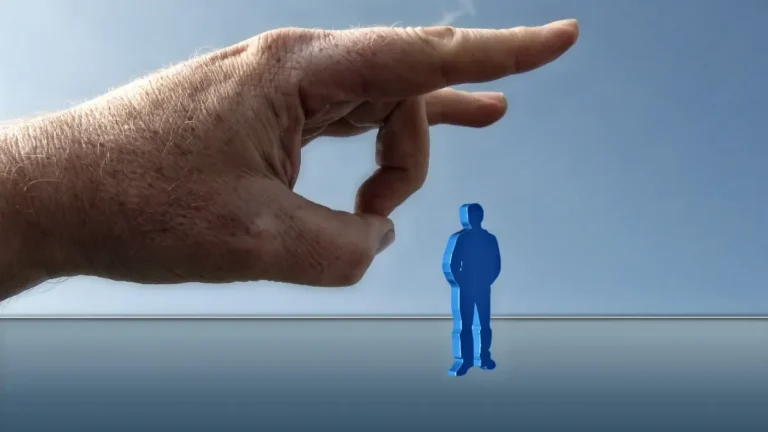
A large human hand flicks away a small blue figure of a person under a clear sky.

Capitalism no longer builds—it bureaucratizes. The global corporation is a Gothic cathedral of forms, run by PowerPoint sorcerers and KPI necromancers. Innovative entrepreneurs have been replaced by checkbox bureaucrats who conjure compliance, not creation. Real building is a relic. Today’s performance art keeps the system alive while erasing true makers’ agency.

The Great Human Rights Swindle

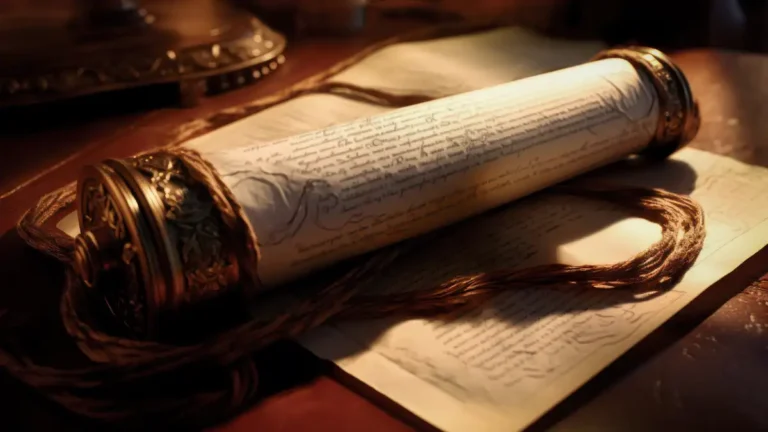
Ornate scroll with gold-capped ends, inscribed with delicate script, resting on aged parchment under warm light.

Human rights sound glorious—until you notice who’s selling them. From Cyrus the Great’s PR stunts to the French Revolution’s blood-soaked proclamations, the pattern is the same: noble words masking power plays. Without teeth, rights are just poetry in a dead language—diplomatic wallpaper covering the cracks of a crumbling moral order.

The day after Globalism

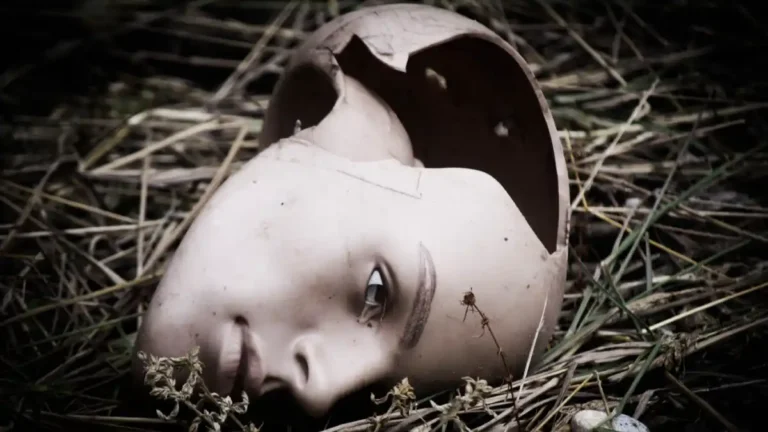
Broken mannequin head lying in dry grass, symbolizing the collapse of a false world order.

In the Cold War, we expected history to end in one blinding flash. Instead, globalization is collapsing in slow motion—tariffs, piracy, and space races replacing the clean drama of mushroom clouds. The old order is dead, the “after” already upon us, and America is shifting into a louder, more dangerous gear. Buckle in.

The Price of Decency

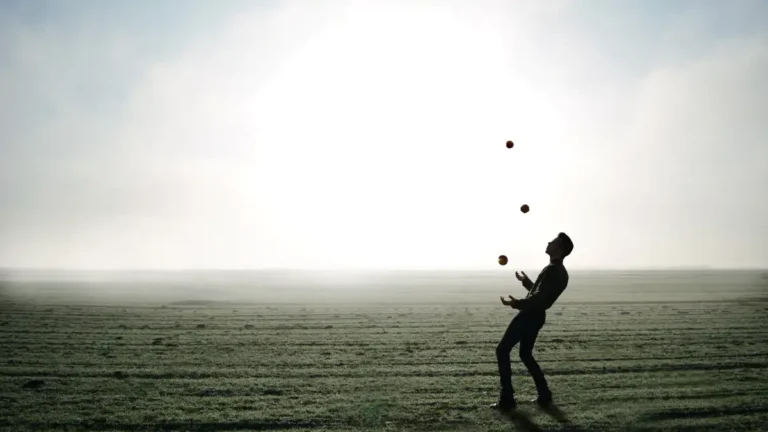
Silhouette of a person juggling four balls in an open field at sunrise.

Free trade, as practiced, rewards the dirtiest hands and punishes the cleanest. A Border Adjustment Tax flips that script—charging nations for the damage they export along with their goods. It’s not perfect, but it’s a start: a market where the cheapest product finally pays the real price of its making.

NOPEC’s last battle

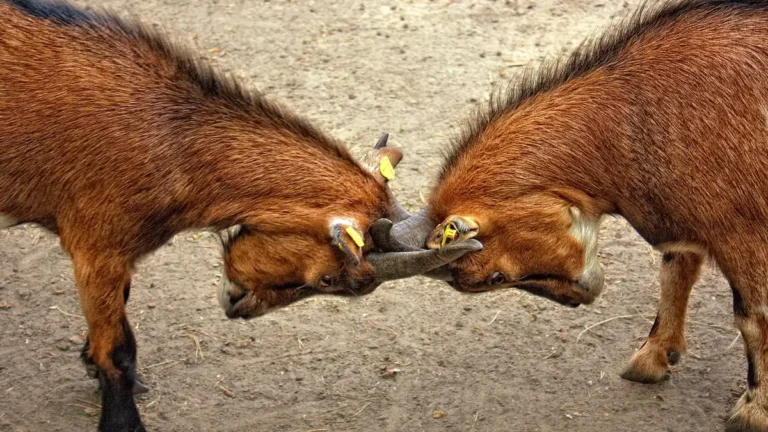
Two brown goats locking horns in a tense head-to-head clash, symbolising a stubborn, evenly matched struggle.

In 1973, OPEC discovered the oil lever — a weapon that could make the world tremble without firing a shot. For decades, it worked. But every empire rots from within. Addiction to easy money, the rise of shale, and the limits of fear have left the cartel fighting a final, unwinnable war.